

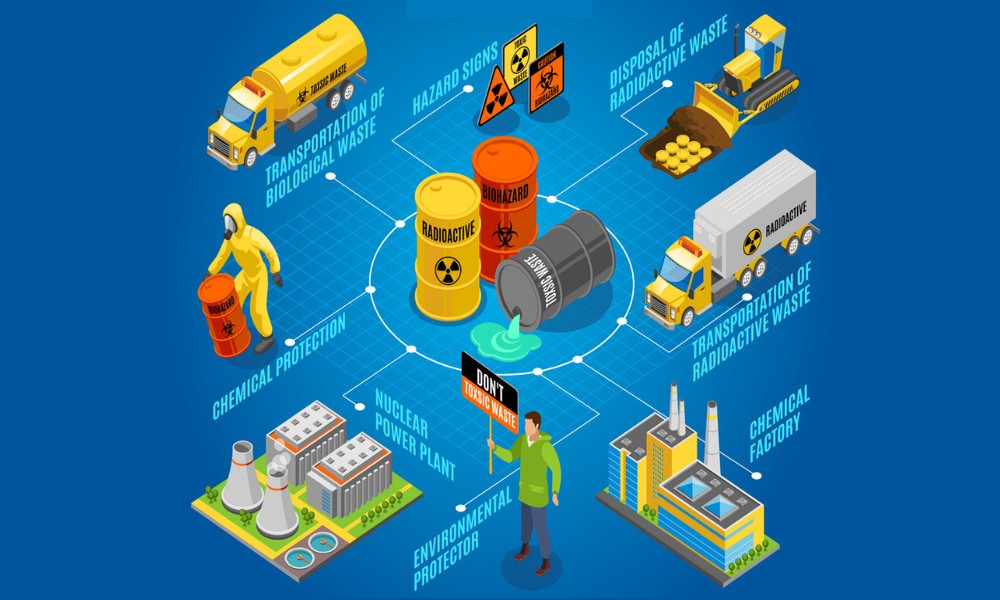
Proper hazardous waste management protects workers, communities, and the environment from serious harm. Businesses that handle toxic, reactive, or flammable materials must follow strict federal and state guidelines. A structured approach to waste control helps companies avoid costly penalties and legal trouble. This article covers the core elements every business needs for a safe and compliant waste program.
Proper Waste Identification and Classification
Before any waste plan begins, company owners may ask a common query “What is hazardous waste?” This becomes an important question at the start of any proper waste program. Every effective waste program begins with a thorough identification process. Federal agencies like the EPA define specific categories for waste materials based on their chemical traits.
Trained professionals assess each material to determine whether it meets hazardous criteria under federal or state law. This step also helps businesses separate hazardous materials from non-hazardous ones, which reduces disposal costs. Correct classification from the start prevents costly mistakes later in the process.
Safe Storage and Container Requirements
Proper storage is a critical step that many businesses overlook until a problem appears. All hazardous materials need containers that match the chemical nature of the waste they hold. Corrosion-resistant, sealed containers prevent spills, leaks, and harmful reactions. Clear labels on each container allow workers and emergency responders to act quickly in a crisis. Storage areas must also meet specific ventilation, temperature, and spacing standards set by regulators.
Secure Protocols in the Workplace
A well-built handling protocol reduces accidents before they happen. Strong handling procedures protect both workers and the surrounding environment from exposure events.
The following points outline the key elements that should appear in any workplace safety plan:
- Workers must receive hands-on instruction for every type of hazardous material at the facility.
- Each material requires specific protective gear, such as gloves, goggles, or chemical-resistant suits.
- Incompatible materials must stay separated in both storage and transport to prevent dangerous reactions.
- Clear spill response procedures must be posted and practiced on a regular schedule.
Transport and Disposal Compliance
Hazardous materials cannot move from one location to another without proper documentation and certified carriers. The following steps are required to stay compliant throughout the transport process:
- A manifest document must accompany every hazardous waste shipment from the point of origin.
- Carriers must hold valid federal and state permits before they handle or transport any hazardous load.
- Final disposal must occur at a licensed facility that meets EPA treatment, storage, and disposal standards.
- All transport records must be retained for a minimum period as required by applicable law.
Regulatory Awareness
A well-trained workforce is the backbone of any compliant hazardous waste program. Employees who handle or work near hazardous materials must complete formal instruction before they begin. Regulatory agencies require documented proof of completion for all required training sessions. Refresher instruction must also happen on a set schedule to keep knowledge current. Businesses that invest in consistent education reduce the chance of violations, spills, and workplace injuries. This commitment to staff development is also reflected directly in audit results and facility safety records.
Effective hazardous waste management depends on clear steps taken at every stage of the process. Before final planning begins, “what is hazardous waste?” is a question every business must clearly answer. From proper identification to final disposal, each action protects workers, facilities, and the environment.
Businesses that treat compliance as an ongoing commitment rather than a one-time task perform better during audits and avoid costly penalties. Strong documentation, trained staff, and certified transport partners all work together toward a safer operation. For any facility that generates hazardous materials, the best action is to conduct a full internal audit of current waste practices today.
