

Key Takeaways
- Regular maintenance schedules prevent the accumulation of hazardous residues on sensitive machinery.
- Correct chemical applications protect surfaces from corrosion while ensuring a sterile environment.
- Documenting every stage of the process provides a reliable audit trail for safety compliance.
- Trained personnel are essential for identifying specific risks associated with different mechanical components.
Introduction
Achieving a high standard of hygiene within a technical environment requires more than just a surface wipe. Every professional understands that the longevity of their tools depends on how they manage environmental stressors and biological or chemical loads. Implementing a thorough strategy for equipment decontamination helps to mitigate risks that could otherwise lead to expensive mechanical failures or health hazards. By focusing on the nuances of deep sanitation, you ensure that every component functions as intended without the threat of cross-contamination. This approach builds a foundation of trust for clients who expect nothing less than total precision and safety in your operations.
Do Invest in Comprehensive Training
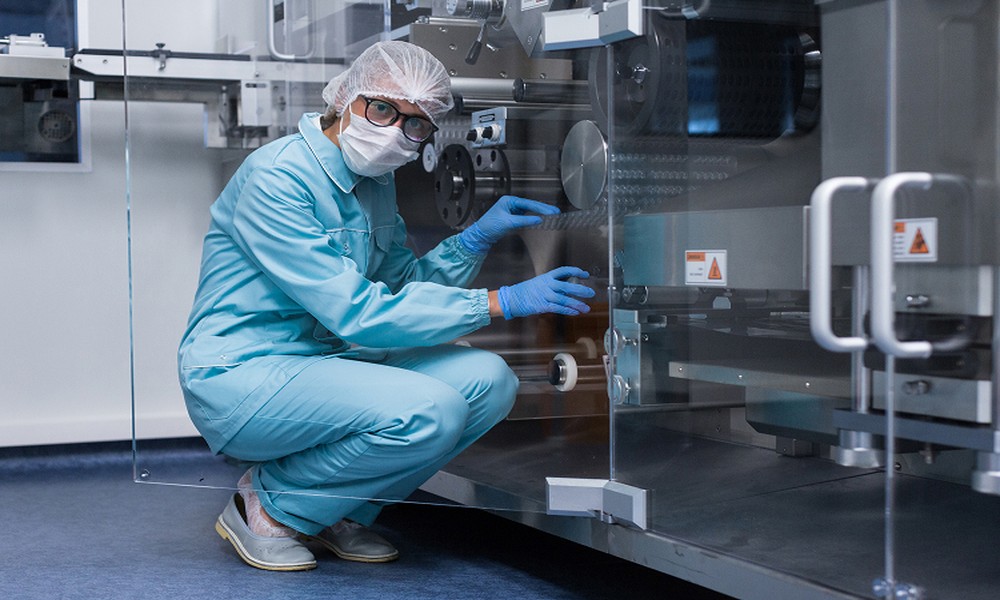
Technical proficiency is only as good as the knowledge behind it, making education a vital component of your facility management. Your team should be well-versed in the latest protocols for handling biohazards or industrial residues to ensure their own safety and the efficacy of the process. Providing regular workshops and updated manuals keeps the standard high and ensures that everyone is aware of the specific requirements for different types of equipment decontamination. When employees feel confident in their ability to perform these tasks, they are more likely to execute them with the precision required for high-stakes environments. This investment in human capital pays dividends through reduced errors and a much safer workplace for everyone involved.
Don’t Use Abrasive Chemicals Randomly
It is a common mistake to assume that stronger chemicals always yield better results when trying to sanitise a surface. In reality, harsh substances can degrade delicate seals and cause irreversible damage to sensitive electronic interfaces or specialised coatings. You must match the cleaning agent to the specific material of the tool to avoid stripping away protective layers that prevent rust and wear. Understanding the pH levels and chemical compatibility of your supplies is a non-negotiable part of a professional workflow. Instead of reaching for the most potent solvent available, opt for a balanced solution that achieves the necessary level of hygiene without compromising the physical integrity of the asset.
Do Establish a Rigorous Schedule
Routine is the backbone of any successful maintenance programme because it removes the element of guesswork from the equation. You should create a detailed calendar that specifies exactly when each piece of machinery requires attention, taking into account the intensity of its use and the environment it occupies. This proactive habit ensures that small issues are caught before they escalate into significant problems that halt production. When you treat your workspace with this level of respect, you create a culture of excellence where every staff member understands the importance of their role in the upkeep. Consistent cleaning decontamination efforts reflect a commitment to quality that resonates with both your team and your stakeholders.
Don’t Overlook the Documentation Process
Neglecting to record the specifics of your sanitation efforts can lead to significant gaps in your operational history. Keeping a precise log of what was cleaned, when it happened, and which methods were utilised provides an essential safety net during audits or inspections. This record serves as a roadmap for future sessions and helps you identify patterns in wear or contamination that might require a change in strategy. Without these details, you are essentially working in the dark, unable to prove that your standards meet the necessary regulatory requirements. A transparent and well-maintained filing system is just as important as the physical act of scrubbing or sterilising the machinery itself.
Conclusion
Success in a technical or industrial setting is often found in the details that most people never see. By adhering to a strict set of protocols, you protect your investments and ensure that your daily operations remain smooth and uninterrupted. Prioritising cleaning decontamination is not merely a chore but a strategic advantage that keeps your facility running at its peak. When you balance the right methods with a trained eye and consistent effort, you create a sustainable environment where quality is the standard. Maintaining these habits ensures that your machinery remains reliable and your workspace stays safe for years to come.
Contact BELFOR to learn more about professional recovery and restoration services.
