

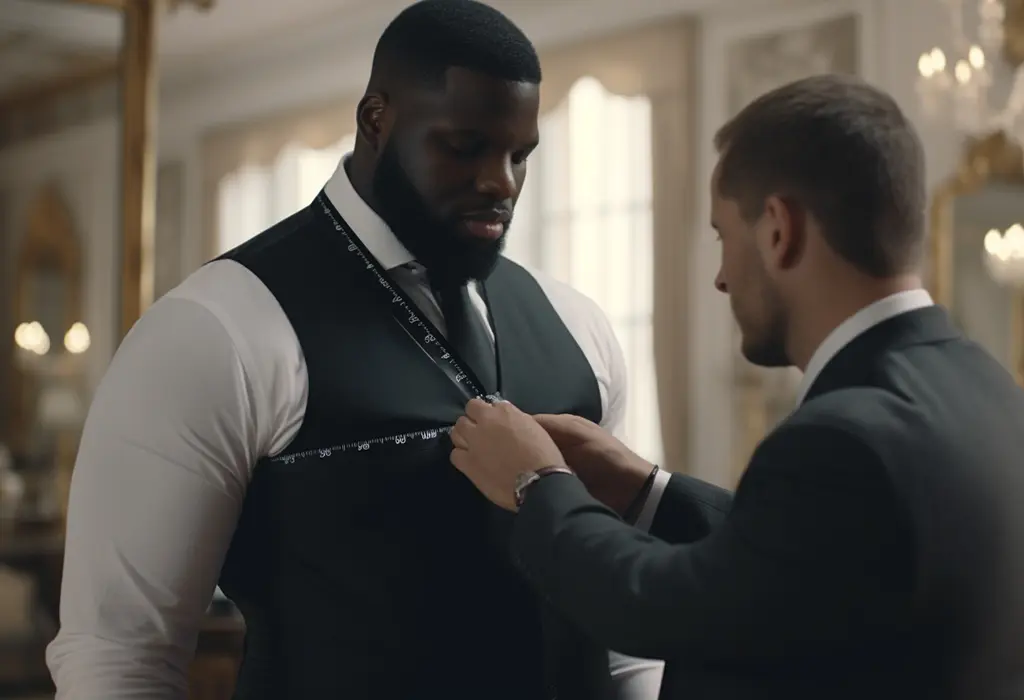
Big men’s clothing has a reputation problem that’s partly earned and partly outdated. Earned because plenty of retailers still treat extended sizing as an afterthought, stocking a limited run of larger sizes in a handful of styles and calling it done. Outdated because the options have genuinely improved for men willing to look past the mainstream retailers who stop at XL.
If you’re looking for big men’s clothing that covers the full range of what a wardrobe actually needs, understanding what separates a proper extended sizing range from a token effort makes shopping considerably less frustrating.
What Extended Sizing Actually Means
There’s a meaningful difference between a retailer whose range extends to 2XL and one whose range goes to 12XL. Men in the 2XL to 3XL range have more options than they did a decade ago. Men needing 5XL, 7XL, or above are still working with a narrower field, which makes finding a retailer with genuine coverage across the full range worth prioritising.
Within a given size, the quality of the cut matters as much as the label. Larger sizes require pattern adjustments, not just scaling. A shirt that fits a 5XL body well is shaped differently from a standard shirt with a bigger number attached to it. Shoulder seams that sit correctly, adequate room through the chest without excess fabric at the torso, sleeves that reach the wrist, these details reflect whether a garment was actually designed for a larger body or just enlarged from a smaller template.
The Bottoms Challenge
Tops are generally easier to find than bottoms in big men’s sizes. Pants, jeans, shorts, and chinos all involve the waist-to-leg ratio problem. A larger waist measurement doesn’t automatically mean longer legs, and the relationship between waist size, seat room, and thigh width is more complex than it is for tops.
Retailers who handle bottoms well in extended sizes offer actual variety in styles rather than one or two options. Having a choice between jeans and chinos, between shorts cuts, between track pants and active bottoms, makes it possible to dress appropriately for different days rather than wearing whatever is available.
Inseam options matter too. Short, regular, and long inseam availability at larger waist sizes is rarer than it should be and worth looking for when comparing retailers.
Seasonal Coverage
Summer in Australia is particularly hard on men who struggle to find breathable, comfortable clothing in larger sizes. Lightweight cotton and cotton-blend fabrics handle heat significantly better than polyester-heavy alternatives. A retailer whose summer range includes genuine options in extended sizes, not just one or two styles, is worth noting.
Winter coverage matters equally. Fleeced hoodies, warm jackets, layering pieces, and knitwear in extended sizes allow for proper seasonal dressing rather than making do with whatever happens to fit. A good extended sizing range doesn’t thin out as seasons change.
Workwear and Smart Casual
Men who need to dress for work face a particular challenge at larger sizes. Formal shirts, dress pants, and smart casual options are harder to source than casual clothing in extended sizes. Retailers who cover workwear properly at big men’s sizes, with business shirts that fit through the shoulders and chest without pulling, and pants that work in an office context, solve a genuine daily problem.
Shopping Practically
Size guides with actual measurements, chest, waist, hips, inseam, rather than generic S/M/L/XL labels allow for confident purchasing. Straightforward returns policies reduce the risk of online shopping where fit can’t be checked before buying.
Finding a retailer that covers casual, smart casual, workwear, and seasonal basics all in the same size range removes the need to shop across multiple places to build a complete wardrobe.
