

Winter in Minnesota tests every part of a home. Drafts creep in, heating bills climb, and comfort drops fast. According to the U.S. Department of Energy, heat loss through windows and doors can account for up to 30 percent of residential heating energy use. This article explains window and door upgrades that help homes stay warmer. It focuses on materials, installation details, and smart improvements. Clear guidance helps homeowners prepare for cold seasons with confidence.
Many homeowners explore options like energy-efficient windows and doors in Minnesota when planning winter upgrades. These upgrades show how modern solutions improve insulation, reduce drafts, and support comfort across homes in the region.
Window Frame Materials That Handle Cold Well
Window frames play a major role in winter performance. Older materials allow heat transfer and condensation. In Minnesota, frames must resist temperature swings and moisture. Contractors usually recommend vinyl, fiberglass, or composite frames. These materials reduce heat loss and prevent warping. Properly selected frames maintain tight seals during extreme cold. Improved frame strength supports glass performance and extends window life. Homeowners notice steadier indoor temperatures and fewer cold spots during long winters.
Glass Options That Improve Insulation
Glass technology has improved significantly. Single-pane windows struggle in cold climates. Double and triple-pane glass options offer better insulation. In Minnesota, these upgrades reduce heat loss and improve comfort. Low-emissivity coatings reflect indoor heat. Gas fills between panes add insulation. These features work together to stabilize indoor temperatures. Homes feel warmer near windows. Energy use stays more predictable during the winter months.
Double vs Triple Pane
Double-pane glass works well for many homes and offers a strong balance between cost and insulation. Triple pane adds extra insulation for colder zones and helps reduce outside noise. Homes exposed to strong winds or long winters usually notice better comfort with the added layer.
Coating Benefits
Low-emissivity coatings improve efficiency without reducing natural light. These coatings reflect indoor heat into the room during winter. This helps maintain consistent indoor temperatures and lowers heating demand.
Door Construction That Blocks Drafts
Doors face constant exposure to wind and snow. Poor construction allows air leaks. In Minnesota, insulated door cores help block cold air. Fiberglass and steel doors perform well in winter conditions. Tight-fitting frames and reinforced panels reduce heat loss. Proper installation matters as much as material choice. Well-built doors improve security and comfort. Draft reduction becomes noticeable immediately. These upgrades support energy savings throughout winters.
Seals and Installation Quality Matter
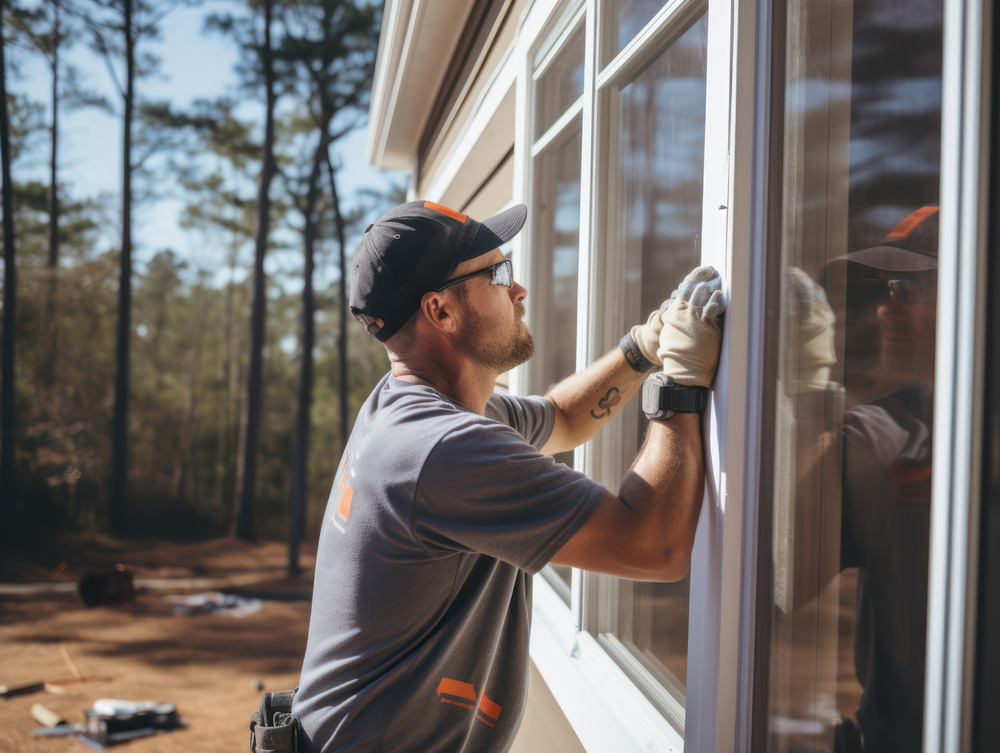
Even high-quality products fail without proper installation. Gaps around windows and doors allow drafts. In Minnesota, sealing quality affects winter comfort. Contractors focus on flashing, insulation, and alignment. Caulking and weatherstripping complete the seal. Careful installation prevents moisture intrusion and ice buildup. Homeowners benefit from quieter interiors and stable temperatures. These details ensure windows and doors perform as intended across homes.
Key installation checks include:
Professional Support Improves Upgrade Results
Professional support plays a key role in how window and door upgrades perform over time. Experienced installers understand local climate demands and construction details. Proper measurements, sealing, and alignment prevent heat loss and moisture issues. Skilled work ensures products function as designed. Homeowners benefit from consistent comfort and fewer callbacks. Professional support also helps upgrades last longer. Quality installation protects the investment and supports reliable performance throughout harsh winter conditions.
Minnesota winters demand reliable window and door performance. Strong frames, advanced glass, insulated doors, and careful installation all matter. Each upgrade reduces heat loss and improves comfort, especially when homeowners choose energy-efficient windows and doors in Minnesota designed for cold climates. Attention to detail makes a clear difference. Homeowners benefit from warmer interiors and steady energy use. Planning helps avoid winter stress. With the right upgrades, homes stay protected and comfortable through long, cold seasons, supporting lasting value and peace of mind year after year.
