

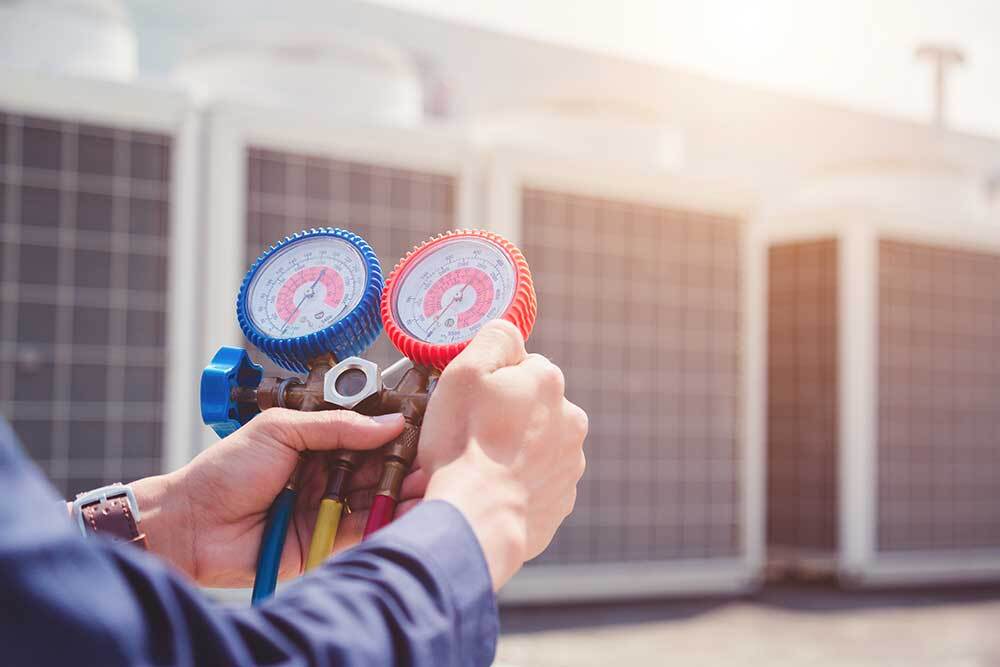
Commercial refrigeration systems play a vital role across industries such as food service, retail, healthcare, and cold storage. Their continuous operation is critical for preserving product quality, maintaining safety standards, and supporting daily business activities. For organizations that rely on these systems, including those associated with Frontier Refrigeration commercial refrigeration company, preventive maintenance is not an optional task but a fundamental operational requirement.
Understanding Preventive Maintenance In Refrigeration
Preventive maintenance is the regular, scheduled service and inspection of refrigeration systems to help improve system efficiency, detect problems before they become debilitating to the system, and optimise system uptime (as opposed to ‘unplanned’ or reactive maintenance, which only deals with issues after a system breakdown). Preventive maintenance reduces the chances of failure and optimises the way the system operates; it includes cleaning condenser coils, checking refrigerant levels, inspecting electrical components, and calibrating controls so that airflow remains consistent, ultimately providing stable product temperatures and reliable day-to-day operation.
Reduced Risk Of Unanticipated Equipment Failures
One of the main reasons preventive maintenance is so essential is that it also reduces the chance of an unanticipated failure. Commercial refrigeration typically runs 24/7; therefore, both mechanical and electrical components are continually under constant stress. By not having a preventative maintenance programme in place, minor issues would go unnoticed until they developed into larger-scale failures. Unplanned equipment downtime results in lost product, disruption of normal operating procedures, and extra costs from emergency repair services. A preventive maintenance programme allows for the identification of problem indicators in addition to making the necessary adjustments to prolong system uptime.
Improving Energy Efficiency And Operating Costs
For companies that use commercial refrigeration systems, the energy used to operate these systems is a major component of business operating costs. When a refrigeration system is not maintained properly, the company will need to operate the refrigeration unit harder to maintain the necessary temperature. Consequently, this will increase the amount of energy consumed. In addition to dirty coils, improper refrigerant charging, and malfunctioning controls will also contribute to a decrease in energy efficiency.
Using regular maintenance helps ensure that the equipment will continue to operate at its designed specifications, which leads to improved energy efficiency and the elimination or reduction of wasted energy. Over the long term, these savings in energy consumption translate into reduced utility bills and create a more predictable budgeting process for operating expenses.
Increasing Equipment Lifespan
Commercial refrigeration systems require a large amount of capital investment. Regular preventive maintenance will aid in extending the useful life of the equipment by minimizing the amount of wear and tear on those components that are most critical to the operation of the refrigeration system. Lubricating, aligning, and replacing any parts that are excessively worn will help reduce strain on the compressor, motor, and fan.
When businesses keep their refrigeration systems in good working condition, they will be able to extend the time between very expensive replacements and maximize the return on their investment in refrigeration systems. A long-term approach to maintaining equipment will facilitate better financial management and resource allocation.
Supporting Compliance And Food Safety Standards
Refrigeration systems provide safe storage for most groups of products and, when taken care of correctly, can provide a number of benefits that enhance the reliability of those systems. When maintenance is done on a refrigeration system as needed, it provides several advantages, such as less disruption to business operations, a reduced number of emergency maintenance incidents, and enhanced ability to plan for operational activities.
By providing a systematic approach for maintenance during low-demand times, businesses can minimize the impact on their operations. By using a systematic approach to maintenance, businesses will have more effective communication with their maintenance and support teams. This, in turn, results in greater accountability and better documentation of the system’s operation and maintenance history.
A Long-Term Strategic Approach
Preventive maintenance should be viewed as a strategic investment rather than a routine expense. It supports operational stability, cost control, regulatory compliance, and asset longevity. Organizations associated with Frontier Refrigeration commercial Refrigeration Company, like many in the industry, recognize that consistent maintenance practices are essential for sustaining reliable commercial refrigeration performance in the long term.
By prioritizing preventive maintenance, businesses can ensure that their refrigeration systems remain dependable, efficient, and aligned with operational demands well into the future.
