

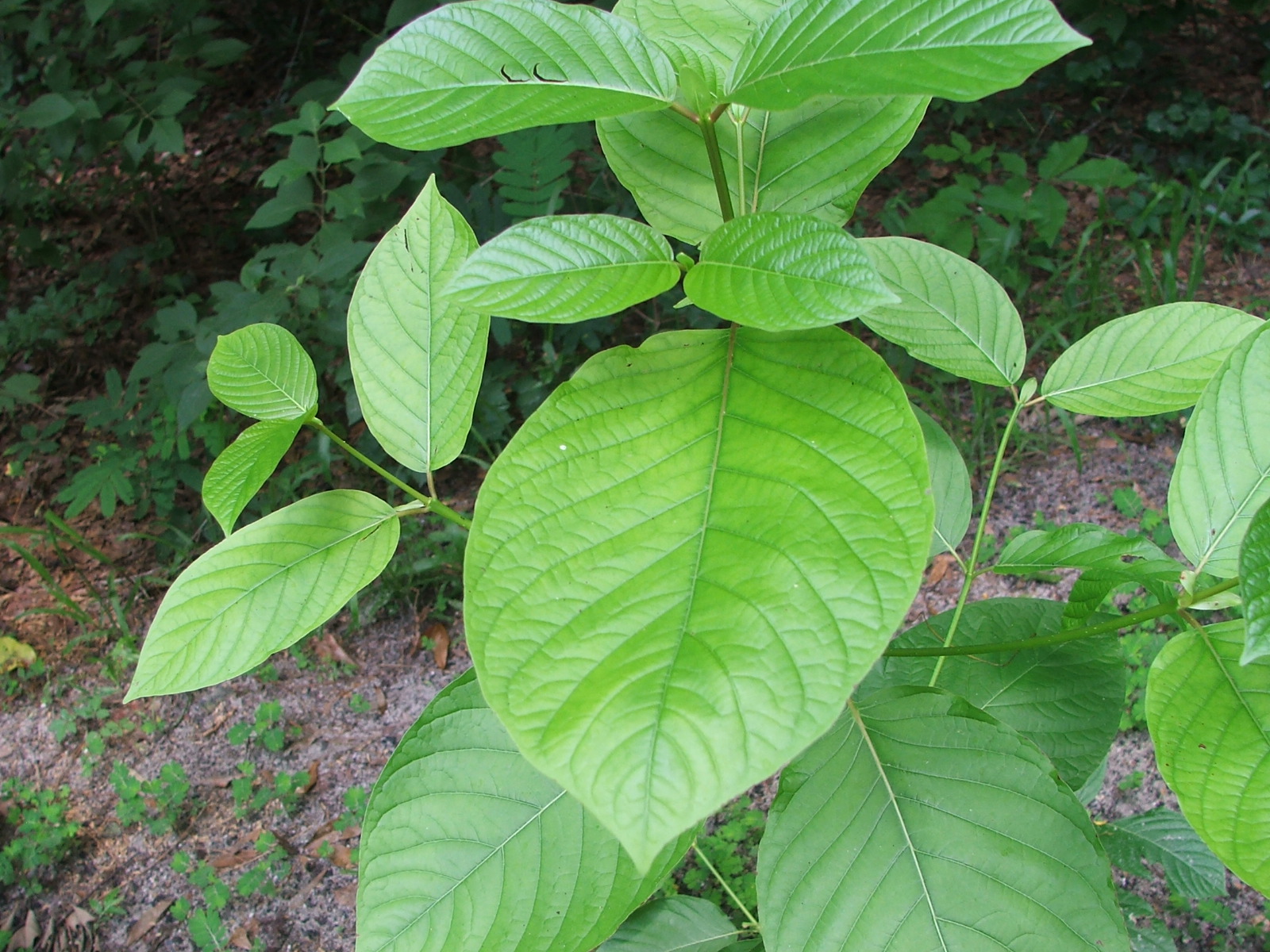
The relationship between Southeast Asian communities and the kratom tree extends back hundreds. Indigenous knowledge systems recognized the distinctive properties of these leaves, which grow abundantly in the humid tropical climate of the region. Despite oral traditions, Dutch colonial records indicate much earlier usage. kratom for energy became a staple among workers in rural areas, supporting those in physically demanding jobs. The plant’s native range across the region meant that numerous distinct cultural groups developed their relationships with and applications for the leaves.
Preparation techniques
The methods for collecting and preparing kratom leaves represent sophisticated traditional knowledge passed through generations:
Harvest timing considerations
Traditional harvesters paid careful attention to leaf maturity, often preferring leaves that had reached full size but remained relatively young. More experienced practitioners could identify subtle colour variations and vein patterns that indicated optimal alkaloid content. Some communities practised selective harvesting, taking only sure leaves from each tree to ensure sustainable growth.
Regional preparation variations
Different communities developed distinct preparation methods:
- Fresh leaves were commonly chewed directly after removing the tough central vein
- Malaysian practitioners often dried and powdered the leaves for later preparation as tea
- Some communities fermented the leaves, creating preparations with different alkaloid profiles and effects
- Special ceremonial preparations might involve combining kratom with other botanicals based on traditional knowledge
Kratom for energy was commonly utilized by labourers working long shifts in agricultural fields. The stimulating properties at lower doses provided sustainable work enhancement without the crash associated with other stimulants, making it particularly valued during harvest seasons and different periods of intensive work.
Communal dimensions
Beyond its practical applications, kratom held critical social dimensions within traditional communities:
Village gathering traditions
Men often congregated in the evenings to share kratom tea while discussing community matters, exchanging news, and maintaining social bonds. These kratom circles functioned similarly to coffee circles in other cultures, providing structured social spaces.
Hospitality customs
Offering kratom tea to visitors became an expression of hospitality in some villages. The shared experience created connections between hosts and guests, with the preparation process itself following cultural protocols that demonstrated respect and welcome.
Generational knowledge transfer
The identification, harvesting, and preparation of kratom provided opportunities for knowledge transfer between generations. Younger community members learned sustainable harvesting practices, preparation techniques, and appropriate usage guidelines from elders, maintaining cultural continuity around this botanical.
Traditional medicinal applications
Within Indigenous healing systems, kratom occupied an essential position in addressing various health concerns:
- Traditional healers employed kratom leaves for managing acute and chronic pain conditions. The analgesic properties were particularly valued for addressing work-related muscle aches, arthritic conditions, and pain from injuries common in agricultural communities.
- In some traditional medical systems, kratom preparations were used to address fevers and infection symptoms. While modern science hasn’t fully validated these applications, they formed part of comprehensive traditional approaches to wellness.
- Various preparations were traditionally used for digestive complaints, including diarrhoea and intestinal discomfort. These applications align with some of the opioid-receptor activity now understood through scientific research.
The rich cultural history of kratom in Southeast Asia reveals a sophisticated relationship between human communities and this botanical that developed over centuries. Traditional knowledge recognized the plant’s complex properties and developed nuanced practices for appropriate use within specific cultural contexts. This conventional relationship with kratom reveals how it connected communities, facilitated social bonds, and addressed wellness concerns long before it appeared in Western contexts.
