

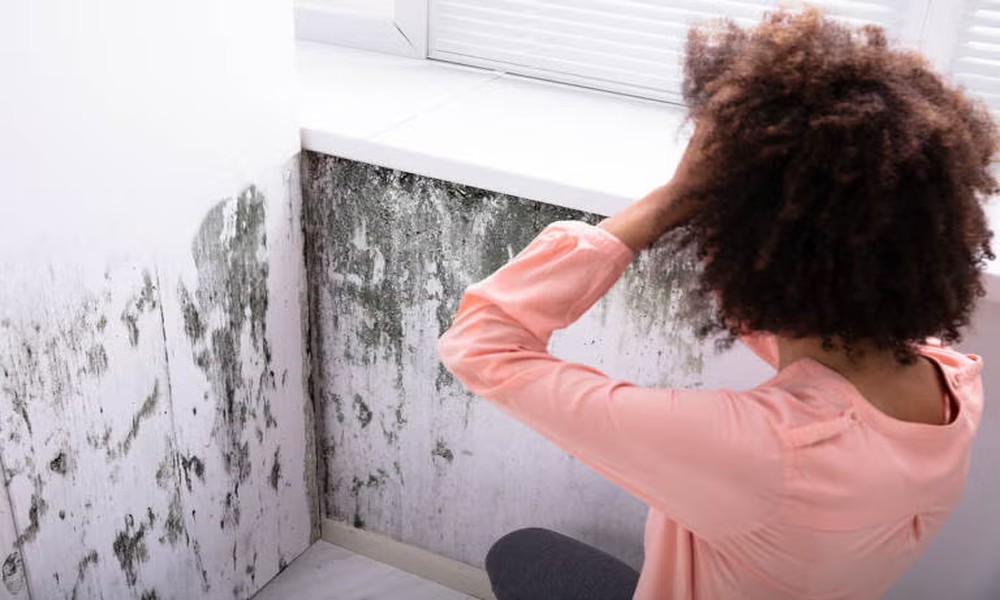
Mold can show up quietly, but it rarely feels like a small matter once a musty smell settles into a room. A stain near a window, a soft patch of drywall, or damp air in a crawl space can point to moisture that needs attention. A calm, practical plan helps homeowners protect the house without panic or guesswork.
The damp climate makes mold remediation in Washington state a careful process that starts with finding the source of moisture. Cleanup works best when it pairs safe removal with repairs that keep the area dry. From inspection to prevention, each step should support a cleaner and healthier home. Here are the main points homeowners should keep in mind before mold cleanup starts.
Find The Moisture Source First
Mold needs moisture, so the first step is to locate the water source. Roof leaks, plumbing drips, window condensation, and damp crawl spaces can all feed growth behind surfaces. A visible stain may be only one sign of a larger moisture path.
A thorough check should include attics, basements, wall cavities, and rooms with poor airflow. Moisture meters can help identify damp areas that look dry from the outside. Once the source is corrected, removal has a better chance of lasting.
Understand Washington State Home Conditions
Washington State homes deal with rain, cool seasons, and shaded areas that dry slowly. Those conditions can keep attics, siding, and crawl spaces damp for more time than expected. Good ventilation matters because trapped air can make minor moisture feel much worse.
Older homes may have past leaks, sealed wall spaces, or limited exhaust systems. Newer homes can also trap humidity when airflow is poor. Each home needs a cleanup plan that fits its layout, materials, and moisture pattern.
Use Safe And Proper Removal Steps
Small surface areas may need careful cleaning, drying, and improved airflow. Larger areas call for containment, protective equipment, and controlled material removal. The goal is to clear affected materials while keeping spores away from clean rooms.
Sealed work zones, filtered air equipment, and proper disposal help protect the rest of the home. Porous materials, such as drywall and insulation, may need replacement when growth has gone deep. Solid surfaces can usually be cleaned when the material remains sound.
Keep Indoor Air Healthy
Mold cleanup should also support the air people breathe each day. Clean filters, dry surfaces, and steady ventilation can make the home feel fresher after removal. People with allergies or breathing concerns may notice damp rooms sooner than others.
Air quality checks can help when growth has returned before or when odors linger. A dry space should feel clean, not heavy or stale. In Washington state, regular moisture checks make sense after heavy rain or plumbing repairs.
Prevent Mold From Returning
Prevention depends on steady moisture control rather than one quick fix. Gutters, downspouts, bathroom fans, and crawl space barriers all help move moisture away from living areas. Small repairs done early can protect flooring, framing, and stored belongings.
Homeowners should check corners, closets, window trim, and under sinks during routine cleaning. Dehumidifiers can also help in rooms that feel damp during rainy months. A simple maintenance habit can keep mold removal from becoming a repeated project.
A strong mold plan starts with moisture control, safe cleanup, and steady care after the work is done. Mold remediation in Washington state works best when homeowners treat removal and prevention as one connected process. Washington state weather makes dry airflow and quick repairs especially important. Clear inspection, careful removal, and simple maintenance can make the home feel cleaner and more comfortable. With the right steps, mold cleanup becomes a manageable home care task rather than a stressful surprise.
