

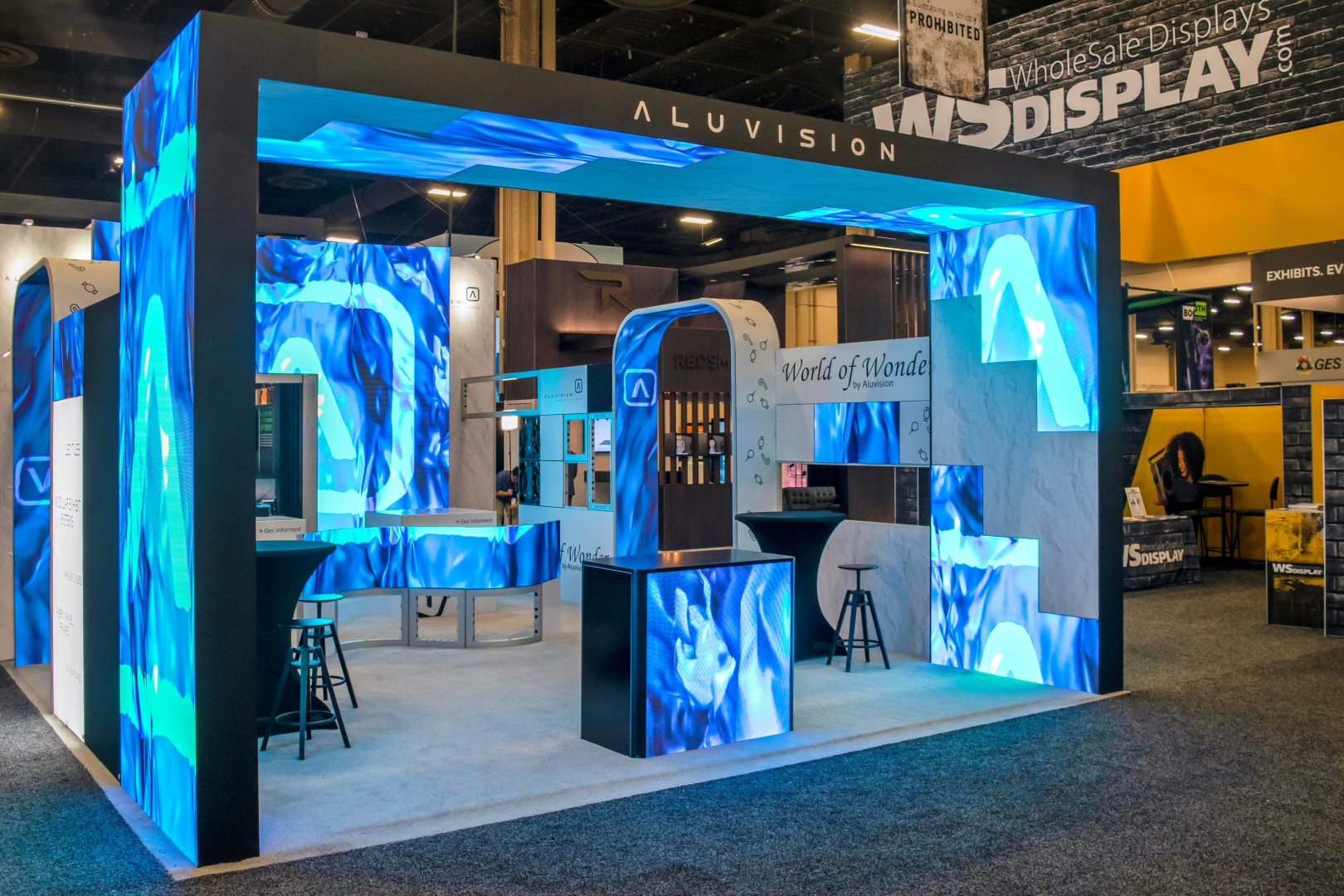
Choosing the right trade show booth is one of the most important decisions an exhibitor can make. The decision often comes down to two main options: modular booths and custom booths. Both have advantages and challenges, and selecting the right option depends on your budget, goals, and trade show strategy. Understanding the differences between modular and custom booth designs, and how each impacts return on investment (ROI), can help exhibitors make informed decisions that maximize both engagement and cost efficiency.
What Are Modular Booths?
Modular booths are designed with standardized components that can be configured and reconfigured for different shows. They offer flexibility, ease of assembly, and cost savings. The key features of modular booths include:
- Interchangeable panels, frames, and signage
- Expandable or reducible layouts to fit different booth sizes
- Lightweight materials for easier shipping and installation
- Reusable components for multiple shows
Modular booths are ideal for companies that attend multiple trade shows throughout the year. They allow exhibitors to maintain a consistent brand presence without the cost and time commitment of building a new booth for every event. Modular systems can include interactive displays, graphics, and lighting that integrate seamlessly across different layouts.
Advantages of Modular Booths
- Lower upfront costs compared to fully custom designs
- Quick assembly and breakdown for multiple events
- Flexibility to adjust layouts based on booth size and location
- Reusable components that reduce long-term expenses
- Easier storage and transport
Because modular booths can be reused across events, they often deliver strong ROI, particularly for exhibitors with recurring show schedules. They also allow for design updates and refreshes without a complete rebuild, keeping the brand experience current and relevant.
What Are Custom Booths?
Custom booths are designed and built from scratch to meet a company’s unique specifications. They provide complete creative freedom and allow brands to make a bold statement on the trade show floor. Key characteristics of custom booths include:
- Unique layouts and configurations
- Tailored materials, finishes, and architectural elements
- Custom graphics, signage, and technology integration
- Exclusive design features that highlight brand identity
Custom booths are often used by companies that prioritize standout experiences, product launches, or immersive storytelling. They can include interactive technology, thematic environments, seating areas, and demonstration spaces that reflect a brand’s personality.
Advantages of Custom Booths
- Maximum creative freedom to showcase brand identity
- Unique designs that attract attention and differentiate from competitors
- Ability to integrate high-end technology, lighting, and graphics
- Optimized layouts for product demonstrations, lead capture, and visitor flow
Custom booths can create memorable experiences that enhance brand perception and engagement. However, they require higher upfront investment, longer build times, and additional logistics planning. The ROI depends on how well the booth attracts visitors, generates leads, and supports the company’s overall trade show strategy.
Comparing ROI: Modular vs. Custom Booths
When evaluating ROI, exhibitors should consider several factors:
- Upfront Cost: Modular booths are generally more cost-effective initially, while custom booths have higher initial investment.
- Long-Term Value: Modular booths offer reusable components and flexibility for multiple events, often lowering per-event costs over time.
- Brand Impact: Custom booths provide stronger opportunities for differentiation and brand storytelling, which can lead to higher engagement and lead quality.
- Maintenance and Storage: Modular booths are easier to maintain, store, and transport, while custom booths may require more specialized care.
- Flexibility: Modular booths can adapt to different floor plans and show sizes, whereas custom booths are fixed in design.
Unstructured considerations include the type of audience, number of annual shows, space availability, and staffing needs. Exhibitors who attend multiple shows with varying booth sizes may find modular booths more practical, while those focused on a single high-impact event may benefit from a custom booth.
Making the Right Choice
Selecting between modular and custom booths requires aligning the choice with your business goals, budget, and trade show strategy. Consider the following steps:
- Identify your primary objectives: brand awareness, lead generation, product demonstration, or experiential engagement.
- Evaluate your show schedule and booth size requirements.
- Consider your budget for design, build, shipping, storage, and updates.
- Analyze long-term ROI based on reuse potential, engagement metrics, and lead quality.
- Consult with trade show professionals to explore modular and custom options that fit your needs.
Working with experienced partners can simplify the decision process. Resources like ExpoMarketing help exhibitors select booths that align with goals, budget, and ROI expectations, ensuring a strong presence at every event.
Conclusion
Both modular and custom booths have distinct advantages, and the best option depends on your trade show strategy. Modular booths deliver flexibility, cost efficiency, and long-term value, making them ideal for recurring shows and budget-conscious exhibitors. Custom booths provide maximum creative freedom, brand differentiation, and immersive experiences, making them a strong choice for high-impact events. By carefully evaluating costs, objectives, and visitor engagement potential, exhibitors can choose a booth design that maximizes ROI and ensures success on the trade show floor.
